


Compare practical vehicle options, financing factors, and everyday ownership needs before choosing your next car.
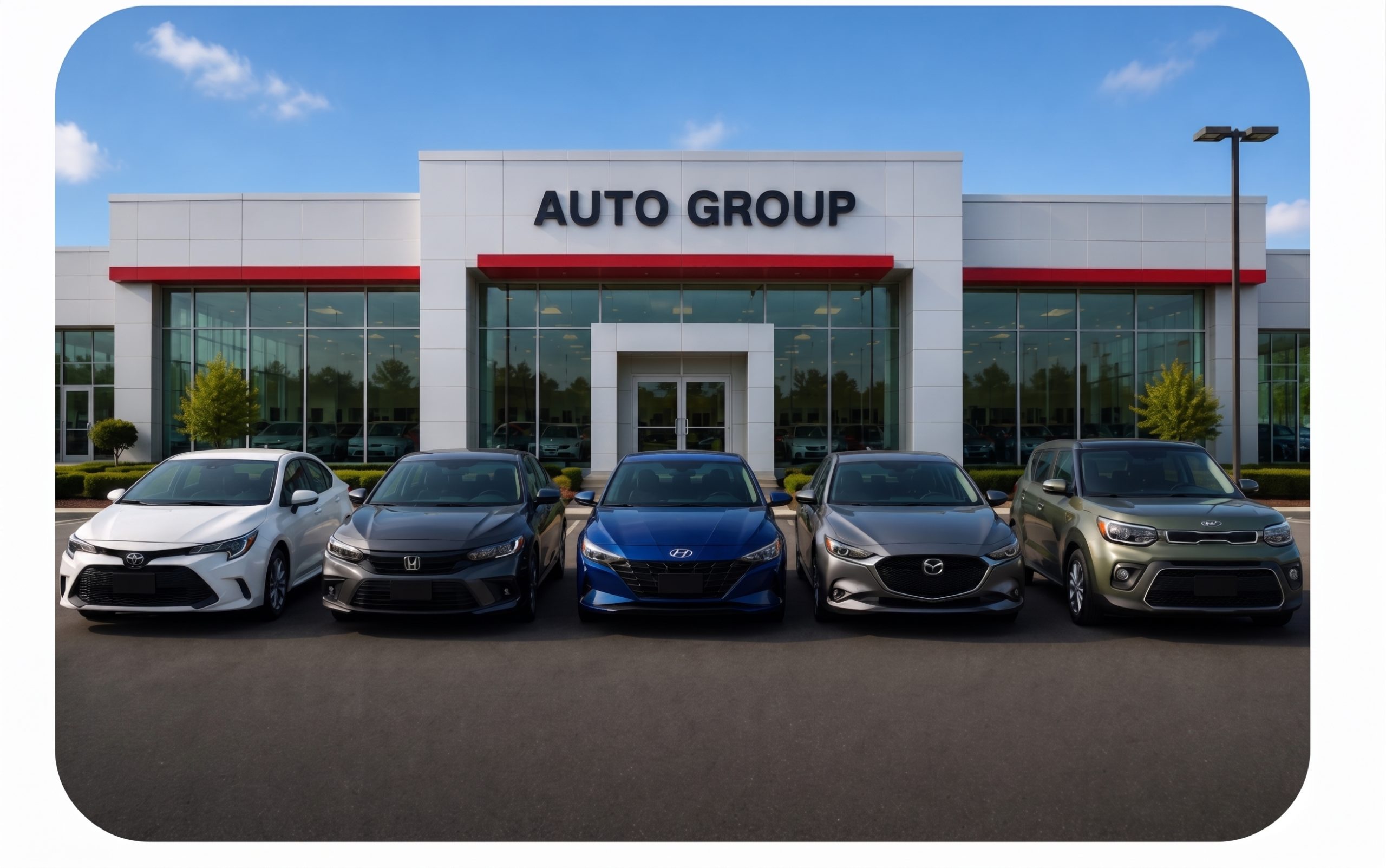
Choosing a car in 2026 is not only about finding a model that looks good online. For many U.S. drivers, the smarter decision comes from comparing comfort, space, fuel use, safety features, reliability expectations, and how the financing terms may fit into a monthly budget. A vehicle can be attractive on paper, but it still needs to make sense for commuting, family use, insurance costs, maintenance, and long-term ownership.
Before applying for financing, start by defining how the vehicle will actually be used. A daily commuter may need strong fuel efficiency and easy parking. A family buyer may care more about rear-seat room, cargo space, and advanced safety technology. Someone rebuilding credit may need a process that is clear, simple, and focused on realistic payment options instead of pressure or confusing terms.
What to compare before choosing
Look beyond the monthly payment and compare the full structure of the deal. Important points include loan term, down payment, interest rate, taxes, fees, warranty coverage, and whether optional products are being added to the contract. A lower payment can sometimes mean a longer commitment, so it is important to understand how the numbers work together before accepting an offer.
Credit profile also matters, but it is not the only factor. Lenders and dealers may review income, employment stability, residence history, current obligations, vehicle age, mileage, and the buyer’s ability to manage the payment. Preparing documents in advance can make the process smoother and help the buyer compare options with more confidence.
⚖️ Vehicle alternatives to consider
Toyota Corolla: A practical compact sedan known for simple daily use, strong reliability reputation, good fuel economy, and easy maneuverability. It can be a sensible choice for commuters who want a predictable ownership experience.
Honda Civic: A well-rounded option for drivers who want comfort, efficient performance, modern safety features, and a more refined feel behind the wheel. It works well for commuting, small families, and buyers who want a balance between practicality and driving experience.
Hyundai Elantra: A compact sedan with a spacious cabin feel, useful technology, and a practical layout for everyday driving. It can appeal to buyers who want modern features without moving into a larger vehicle category.
Kia Soul: A small crossover-style vehicle with a tall cabin, flexible cargo space, and easy entry. Its shape makes it practical for city driving, errands, and buyers who want more interior usefulness than a traditional compact car.
Mazda3: A compact car with a more premium interior feel, responsive handling, and a comfortable cabin. It may interest shoppers who want something practical but still enjoyable for longer drives and daily commuting.
These models are examples of how shoppers can compare different profiles rather than focusing on one single headline. Compact sedans may be easier to park and efficient for commuting. Small crossover-style vehicles may offer more cargo flexibility. Midsize sedans may provide a smoother ride and more space for passengers. The right choice depends on how the car will be used and whether the financing terms remain comfortable.
Quick comparison table
| Option | Best fit | What to compare |
|---|---|---|
| Toyota Corolla | Efficient daily commuter | Simple, reliable profile for drivers who want easy ownership. |
| Honda Civic | Balanced compact option | Comfort, safety features, and a refined drive for everyday use. |
| Kia Soul | Practical small crossover | Flexible cabin space and easy city usability. |
How financing affects the final decision
Financing should support the vehicle decision, not hide it. Before moving forward, ask whether the quoted payment includes taxes, title, registration, dealer documentation fees, protection products, and any optional add-ons. Also ask whether the lender reports payments to major credit bureaus, whether there is a prepayment penalty, and whether refinancing later could be possible if the buyer’s credit improves.
For buyers with challenged credit, approval access can be important, but the total cost still deserves careful review. A fast approval may be helpful, yet the vehicle should still match income, insurance expectations, maintenance needs, and daily transportation requirements. It is better to pause and review the documents than to sign quickly and discover later that the commitment is too tight.
Use the information below as a decision checklist before moving to the official site. A strong car-financing choice should be understandable in plain language: what the vehicle costs, what the loan may cost, what the monthly commitment looks like, and which conditions could change after the application is reviewed. Taking a few extra minutes to compare these points can help buyers avoid confusing offers and focus on the option that fits their transportation needs and budget.
Questions to ask before signing
Ask for the annual percentage rate, loan term, estimated total repayment, and a written breakdown of fees. Review whether the payment is realistic during normal months, not only during the best income months. Check the vehicle history when buying used, review warranty coverage, and make sure the car’s condition supports the financing commitment.
If two options look similar, compare how each one fits the driver’s real life. A car with more space may be better for a growing family. A fuel-efficient compact may be stronger for a long commute. A comfortable midsize sedan may be better for frequent highway driving. The best financing decision is usually the one that connects the vehicle, the budget, and the buyer’s daily needs in a clear way.
This content is informational only. Vehicle availability, financing terms, eligibility rules, inventory, and lender requirements can change by location, credit profile, income, and provider policy. Always confirm the current details on the official website before making a final decision.

 Best Cars Under $30,000 in 2026: Smart Buyer Checklist
 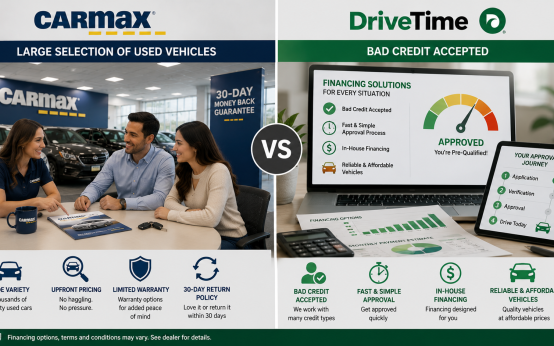 DriveTime vs CarMax Financing: Quick Comparison for Used-Car Buyers
 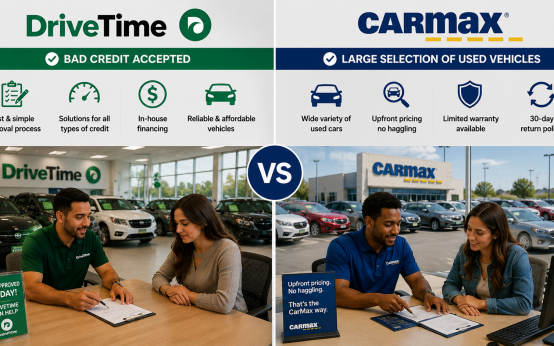 DriveTime vs CarMax Financing: Which Option Fits Your Car Loan?